Cranes and grabs for
plants that run on
heat, dust and tonnage.
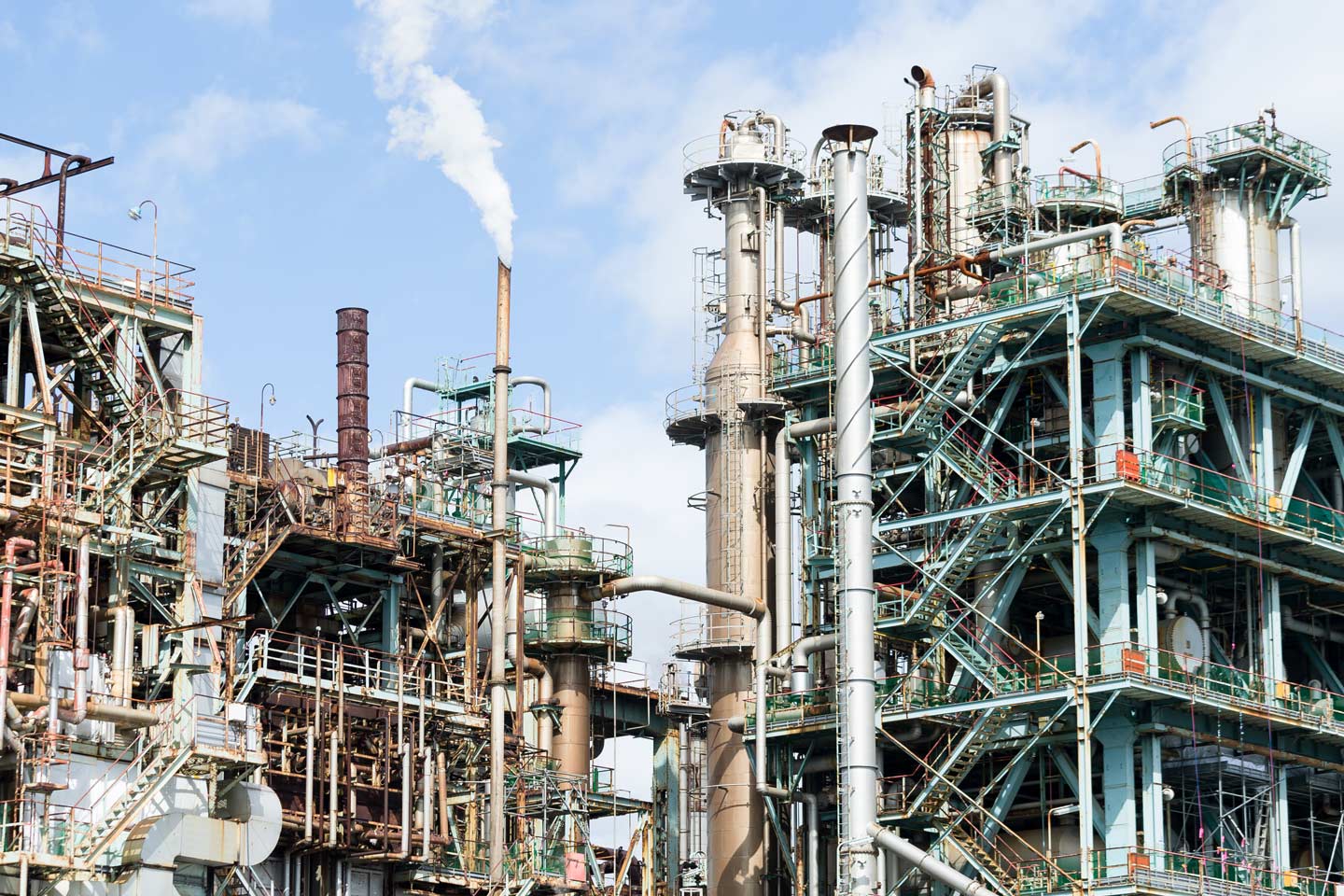
Steel plant EOT cranes, clinker grabs, hydraulic cylinders and drive components engineered for continuous-process duty — A6 to A8 duty class, abrasion-protected, load tested to 125% and built entirely at our Kundli, Haryana works.
Abrasion, heat and
a process that never waits.
Steel and cement plants are continuous processes. Kilns and furnaces do not pause because a crane is down — material simply piles up at one end of the line and starves the other. Every lifting machine in these plants is production-critical by definition.
The environment compounds the problem. Clinker and sinter are severely abrasive; a grab shell without proper wear protection loses its edge geometry within months. Cement dust infiltrates unsealed cylinders, panels and brakes. In melt shops and rolling mills, radiant heat degrades hoses, seals and electricals that were never specified for it. And the duty cycle is relentless — high load factors, high cycle counts, three shifts, year round.
Our answer is to specify for the actual duty: Class III/IV structures under IS 3177 with fatigue-checked welds, abrasion-resistant linings on every material-contact surface, dust-sealed cylinders with rod wipers, heat-shielded hydraulics where the application demands it, and drive components — rope drums, gearing, couplings, brakes — machined in-house so metallurgy and fits are under our control.
From the bay crane to the
smallest drive component.
Double Girder
EOT Cranes
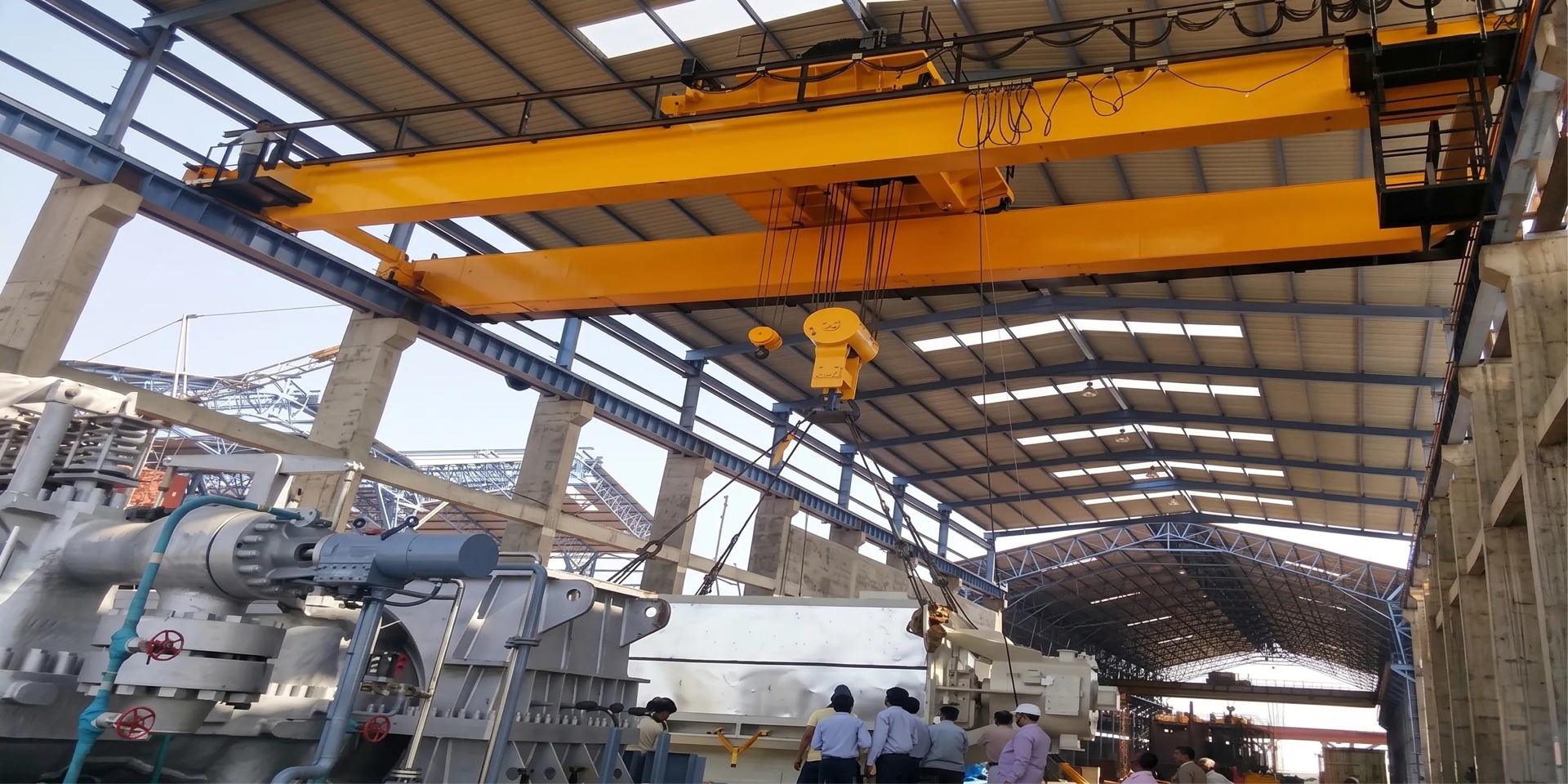
Heavy-duty double girder cranes to 40 MT and 30 m span, built to Class III/IV duty for melt shops, rolling mills, clinker bays and finished-goods yards.
View Double Girder Cranes →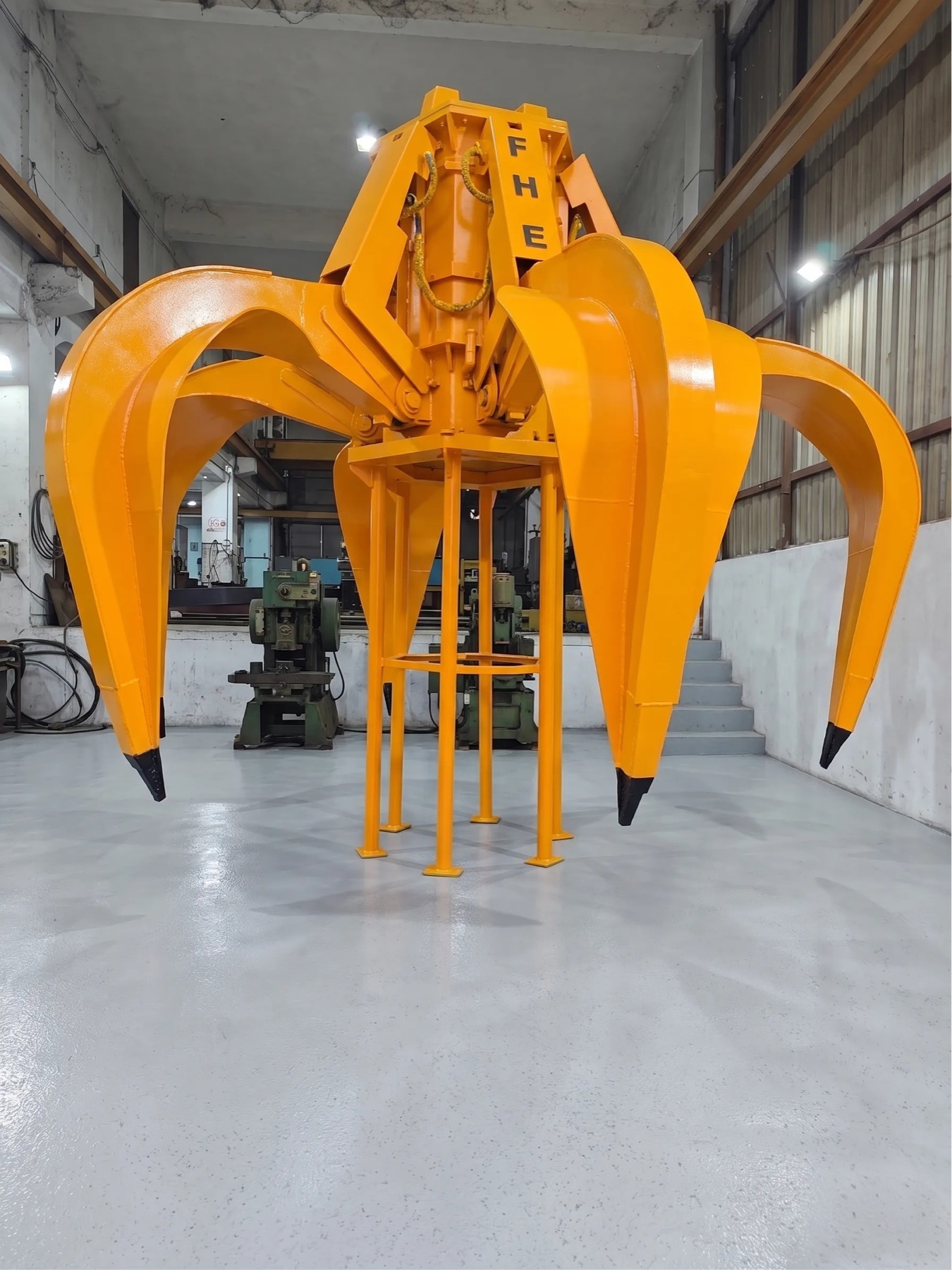
Hydraulic
Grabs
Clamshell and orange-peel grabs for clinker, sinter, scrap and additives — abrasion-lined shells, replaceable wear edges and dust-sealed hydraulics.
View Hydraulic Grabs →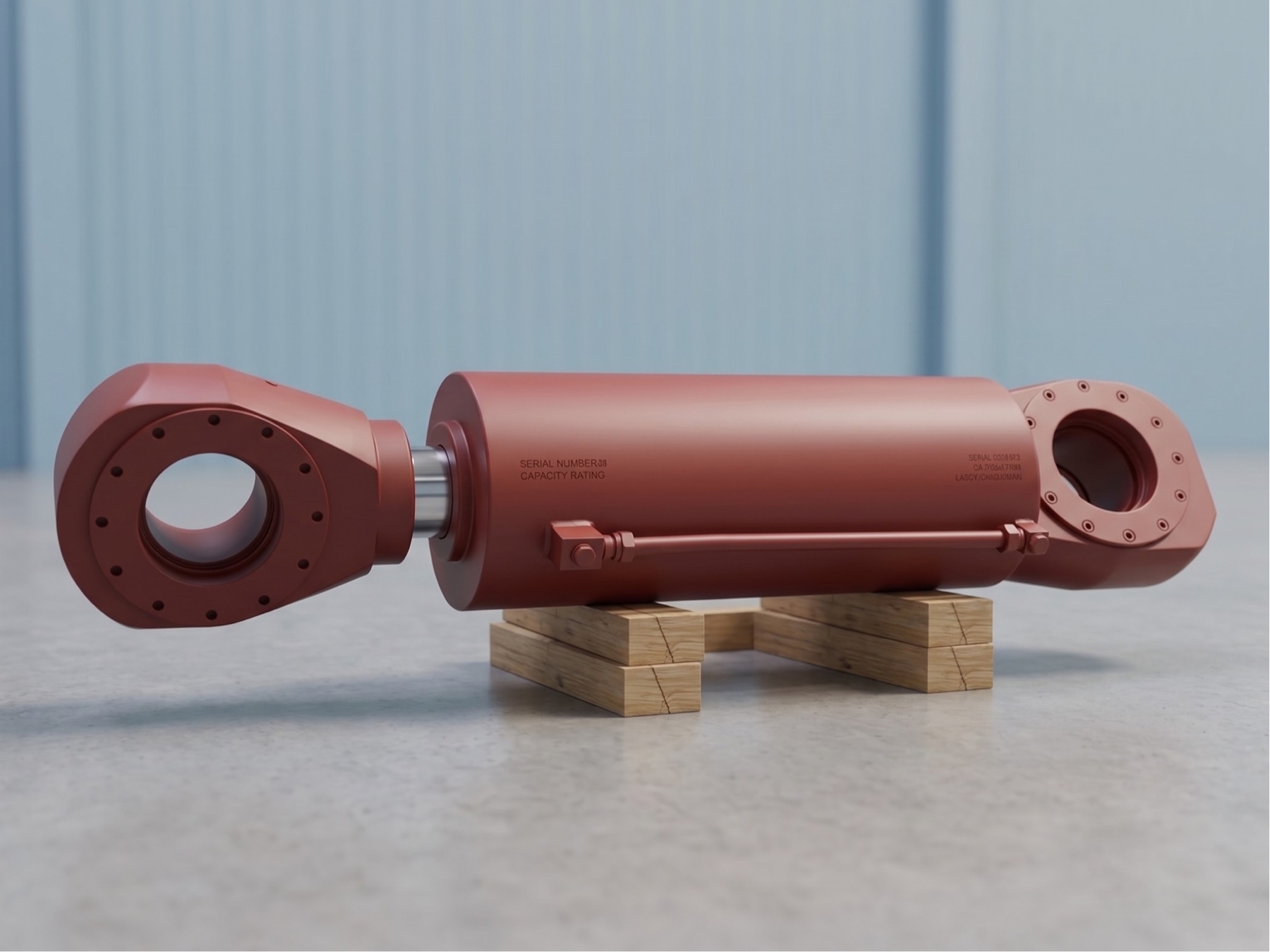
Hydraulic
Cylinders
Single-acting, double-acting and telescopic cylinders for gates, tilters, pushers and process actuation — dust-sealed and heat-shielded variants for plant-floor duty.
View Hydraulic Cylinders →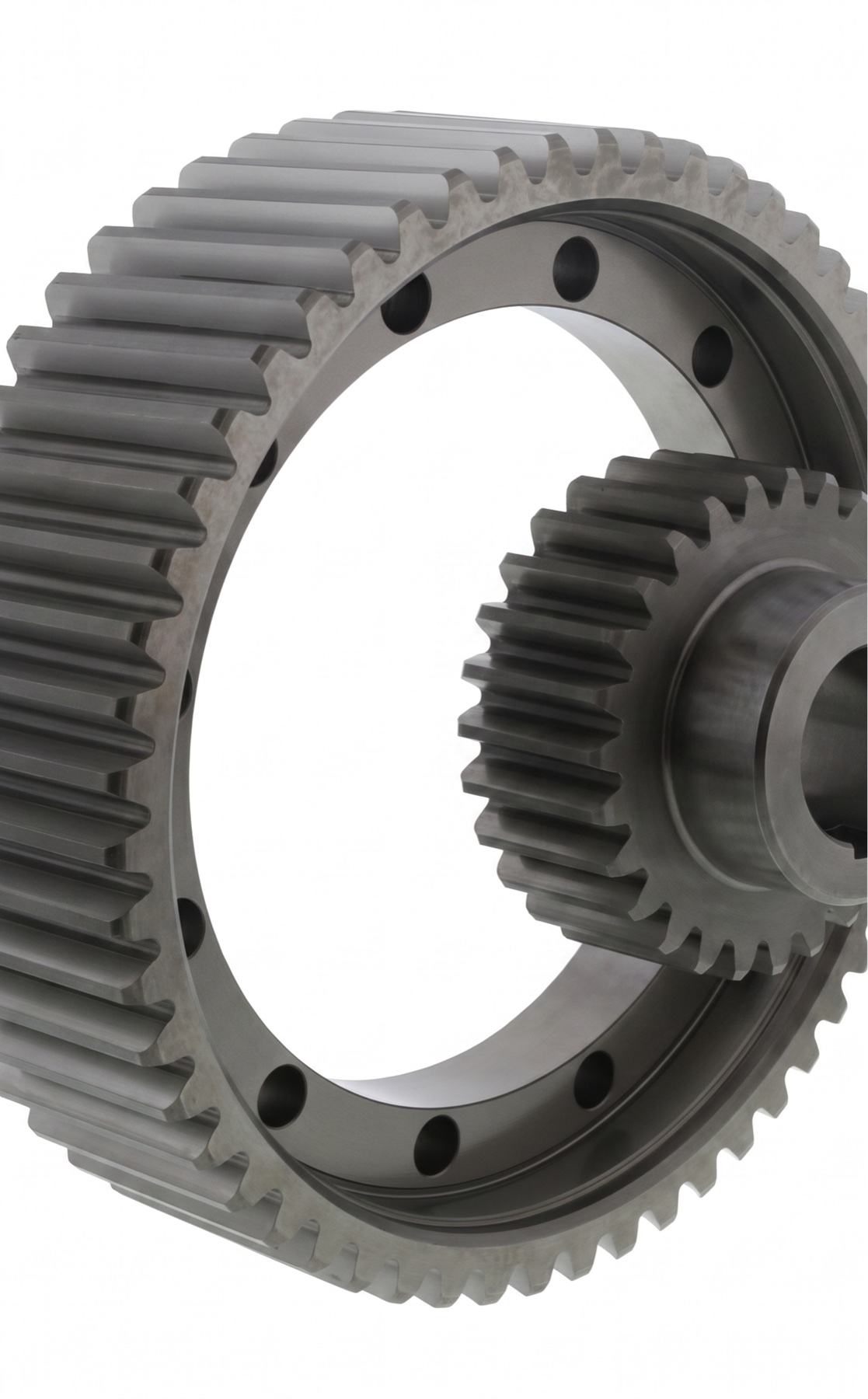
Couplings &
Drive Components
Geared couplings, rope drums, bull gears, pinions and brake components machined in-house — direct replacements for crane drives across makes.
View Couplings →A 40 MT crane for a
clinker bay that eats machinery.
A cement plant needed a heavy double-girder EOT crane for its clinker storage bay — an environment that had already worn out lighter equipment well ahead of schedule. We specified a 40 MT double girder crane to Class III/IV duty with box-girder construction, abrasion-resistant linings on all material-contact surfaces, dust-sealed hydraulic cylinders on the grab circuit and filtered, sealed electrical panels rated for the cement-dust atmosphere.
The crane was fully assembled and load tested to 125% of rated capacity at our Kundli works before dispatch, then erected on the existing runway and commissioned around the plant's maintenance calendar — no dedicated production shutdown. Wear components were designed replaceable, so the bay's abrasion is now a scheduled maintenance line item instead of a recurring emergency.
Every bay from raw
material to dispatch.
The same engineering carries across both sectors: high-cycle lifting, abrasive bulk material, and zero tolerance for unplanned stoppage. Whether the load is scrap charge buckets in a melt shop or clinker in a covered stockpile, we size the crane, the grab and the hydraulics to the duty your logbooks actually show.
Technical questions from
steel and cement plants.
What duty class do I need — a melt shop crane versus a warehouse crane?
Duty class follows the actual work cycle, not the building. A melt shop or scrap yard crane making near-continuous lifts at high load factors needs Class IV under IS 3177 (A7–A8 / M7–M8 equivalent), with matching motor duty ratings, brake sizing and structural fatigue design. A finished-goods warehouse crane making occasional lifts may be correctly specified at Class II or III. We ask for your lifts per hour, average load as a fraction of capacity, and annual operating hours before we specify — an under-classed crane in a steel plant fails early and fails expensively.
How do you protect grabs and cranes against clinker and sinter abrasion?
Clinker is one of the most abrasive bulk materials in industry. Grab shells and tine edges are lined with abrasion-resistant plate in the 400–500 HB range and are designed so wear plates can be replaced without re-fabricating the shell. Cylinders are mounted clear of the material flow with rod wipers and dust seals rated for cement-laden atmospheres, hoses run in protected routes, and pivot pins run in greasable hardened bushes. On cranes, dust-sealed panels and filtered ventilation keep electricals serviceable between shutdowns.
How do you handle spares for equipment running in continuous process plants?
For continuous plants we recommend a commissioning spares kit — seals, hoses, filter elements, brake liners and one set of wear parts — held at your stores from day one. Beyond that, every unit we build is documented with part-level drawings, so replacement cylinders, machined parts and structural components can be manufactured at Kundli against your original job number, typically for the operating life of the installation.
Do your cranes come with load test certification for statutory compliance?
Yes. Every EOT crane is load tested to 125% of rated safe working load before dispatch in accordance with IS 3177 and IS 807, and we conduct site load testing after erection where required. The documentation package covers load test results, electrical inspection, brake tests and dimensional records — what your safety department and the factory inspectorate will ask for at handover.
Can you install a new crane in an operating plant without a long shutdown?
Brownfield installation is the normal case in steel and cement, not the exception. We survey the existing runway, verify rail alignment and wheel loads, and pre-assemble and test the crane at our works so the site window is limited to erection, cabling and load trials. Where the runway serves other cranes, erection is sequenced around your production schedule — typically over planned maintenance days rather than a dedicated shutdown.
Specifying for a
steel or cement bay?
Share your capacity, span, duty cycle and environment. Our engineering team will revert with a duty-classed configuration, general arrangement drawing and delivery schedule.